2026-10-11 · Mike Reynolds
Frozen Pipes in Anderson SC: Prevention Tips
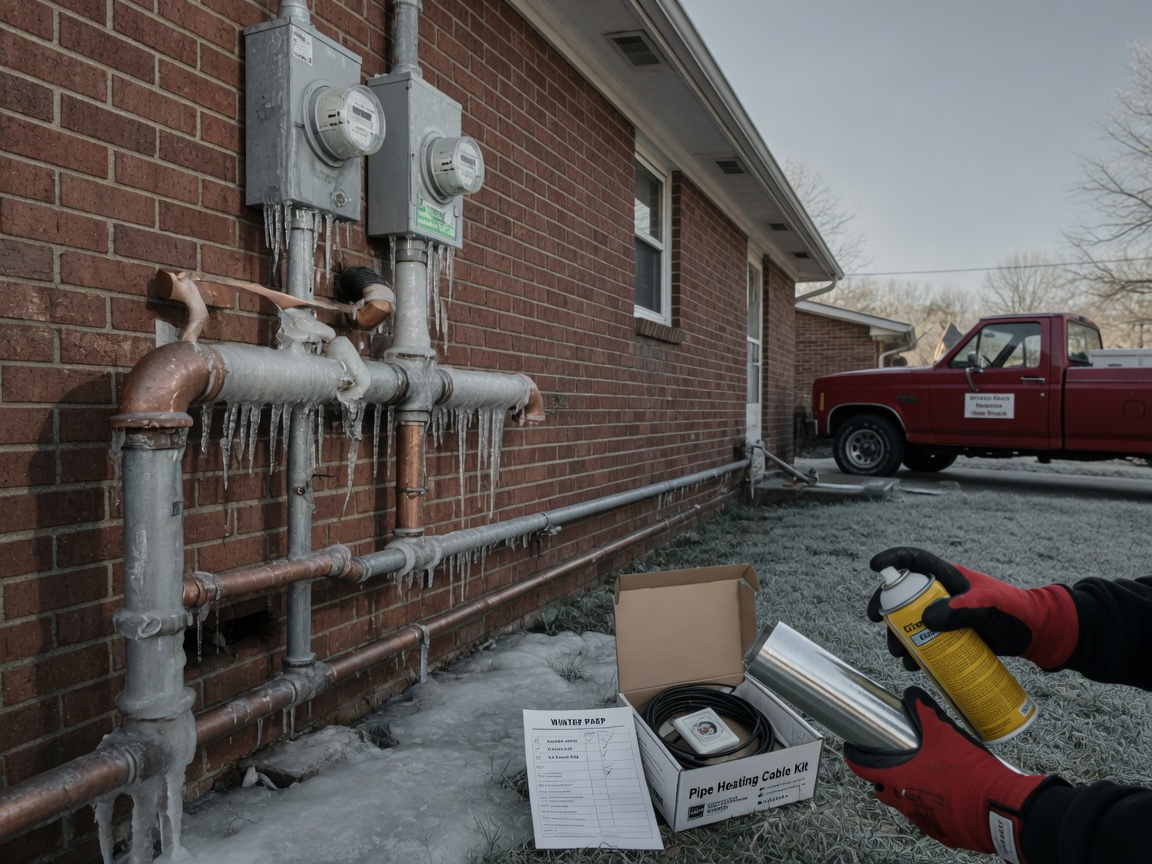
Preventing frozen pipes in Anderson SC requires insulating exposed lines before overnight lows dip into the 20s, which occurs multiple times each winter across Anderson County due to the humid subtropical climate with four distinct seasons.
Freeze Patterns Specific to Anderson County
Anderson County experiences freezes most often from late December through February when cold fronts move through from the northwest. Homes near Lake Hartwell lose heat faster at night because of the water's moderating effect during the day followed by rapid cooling. In North Anderson and South Anderson, older brick and frame houses built before 1980 commonly have water lines running through vented crawl spaces with minimal insulation. These conditions make pipes in exterior walls and attic runs the first to reach freezing temperatures when winds pick up. Downtown Anderson properties near the Anderson Civic Center often sit on smaller lots with less ground cover, so soil stays colder longer after a front passes. Residents in nearby Clemson and Greenville report similar patterns, but Anderson's slightly lower elevation means marginally quicker temperature drops after sunset.
Insulating Pipes in Typical Anderson Housing Stock
Most homes in Anderson County feature copper or galvanized lines in unconditioned spaces that need targeted protection. Wrap pipes in crawl spaces with foam sleeves at least 1/2 inch thick, focusing on runs within 3 feet of exterior walls. Attic pipes above Anderson University student housing conversions and older neighborhoods benefit from heat tape rated for 6 watts per foot combined with R-19 batts draped over the lines. Check areas where pipes enter through rim joists, a common weak point in South Anderson ranch homes. Leave cabinet doors under sinks open during cold snaps so warm air from the living space reaches the plumbing. In properties near Lake Hartwell, add extra insulation where humidity increases condensation risk on cold pipes.
Daily Habits That Reduce Freeze Risk
Keep a slow drip from the farthest faucet when forecasts call for lows below 28 degrees, allowing a steady flow that prevents ice plugs from forming inside the line. Disconnect and drain outdoor hoses before the first freeze, then shut off exterior spigots at the interior valve. In homes in Huntington Hills or Oak Hill, locate the main shutoff before winter arrives so you can act quickly if pressure drops. Monitor weather apps for alerts specific to Anderson County rather than relying on Greenville forecasts, which can run 3-5 degrees warmer. These small steps, repeated each season, cut the chance of ice expansion that splits 3/4-inch copper lines common in pre-1970 construction.
When Prevention Is Not Enough
If a pipe still freezes despite insulation, avoid using open flames or high-wattage heaters that can damage fittings. Thaw slowly with a hair dryer or space heater aimed at the frozen section while keeping the faucet open. For homes in Woodbridge or Autumn Oaks where pipes run under slabs, call a professional who understands local soil conditions and can locate the freeze point without unnecessary excavation. See our guide on what to do when a pipe bursts in your Anderson home for immediate next steps. If damage occurs, frozen pipe repair specialists familiar with Anderson County housing can assess whether pipe replacement is needed in the affected section.